English| EUR
Suggested for you
More currencies
Choose a language
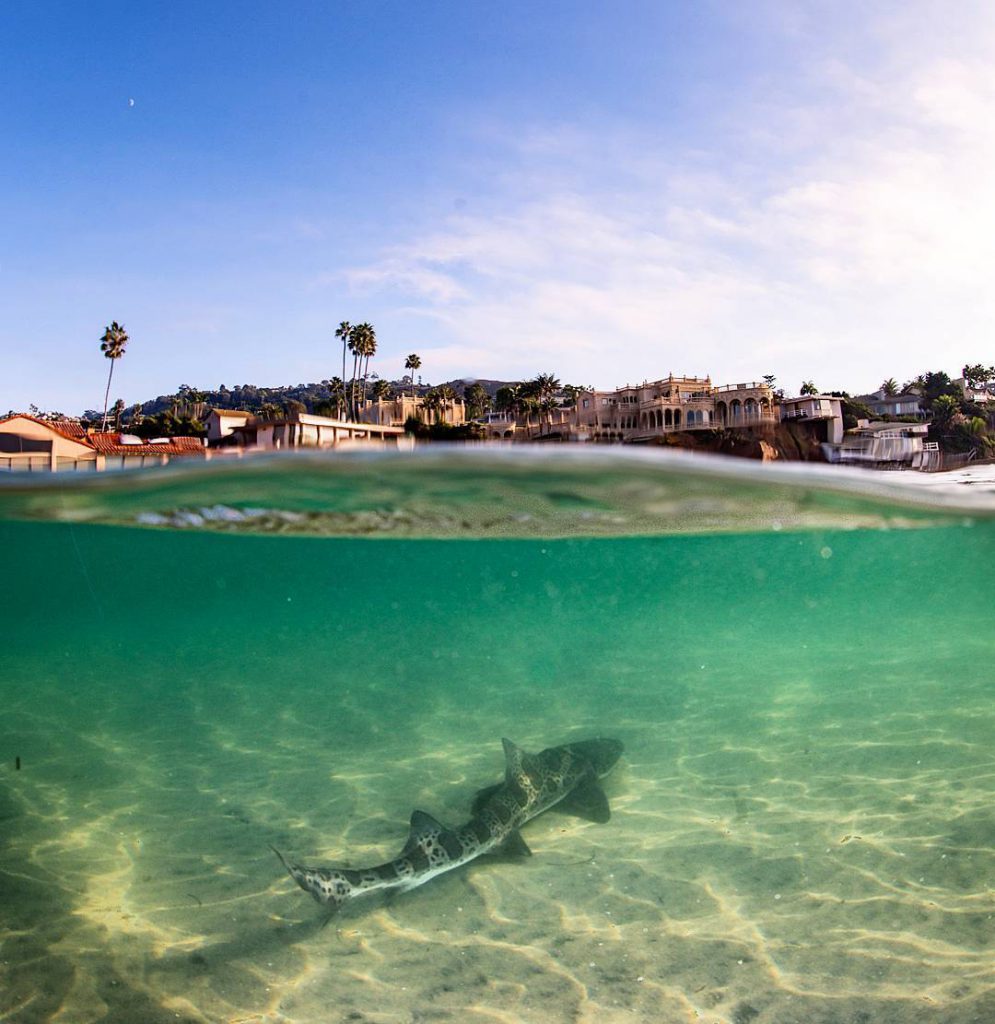
La Jolla Cove offers one of the few places along the California coast where snorkelers can reliably encounter leopard sharks in water shallow enough to observe them without scuba gear. The animals arrive in predictable seasonal pulses, drawn by warmer water and protected sandy flats. Knowing when they appear and where to position yourself turns a general beach visit into a focused wildlife encounter.
Quick answer
Leopard sharks gather in La Jolla Cove from late June through early September, with peak numbers in July and August when water temperatures rise above 68°F. Most congregate in the sandy shallows between the Cove and the Children's Pool, typically in 6 to 12 feet of water. Morning snorkel sessions between 9:00 and 10:00 AM offer the best visibility, before afternoon winds stir up sediment and before midday crowds arrive.
Leopard sharks return to La Jolla Cove each summer not by accident but by thermal preference—the species seeks water between 65 and 72°F for pupping and foraging, and the shallow protected bays along this stretch of San Diego coastline warm faster than the open Pacific. By late June the first individuals appear, drifting over the sand in loose aggregations that can number in the dozens by midsummer. They are docile animals, uninterested in swimmers, focused instead on the crustaceans and mollusks buried in the substrate. Snorkeling in La Jolla Cove leopard sharks means working within the animals' schedule and the ocean's clarity window. The calmest water occurs in the early morning before the prevailing westerlies pick up, and the sharks tend to stay closer to shore during the rising tide when prey is more accessible. Most sightings happen in the corridor between the main Cove beach and the rocky point to the south, where the sand gives way to eel grass beds and the depth holds steady at eight to ten feet. Visibility ranges from 10 to 20 feet depending on recent swells and runoff, but even moderate clarity is enough to spot the sharks' distinctive dark saddle markings as they glide past. The aggregation is temporary. By late September, as the water cools and the animals disperse back to deeper offshore zones, sightings drop sharply. The phenomenon is annual and predictable, but it is not guaranteed—unseasonably cold summers or early storm activity can delay or thin the population. Free entry to the beach means access is open to anyone with a mask and fins, but the lack of lifeguard-supervised swim zones means snorkelers are responsible for their own safety and for maintaining the legally required distance from marine mammals hauled out on nearby rocks. The experience requires no ticket, no guide, and no reservation, only attention to the calendar and a willingness to enter water that remains cold even in August.
“Leopard sharks return to La Jolla Cove each summer not by accident but by thermal preference—the species seeks water between 65 and 72°F for pupping and foraging.”
Leopard sharks are most abundant in the shallow waters of La Jolla Cove during the late summer and early fall months. For the best conditions, plan your arrival between 09:00–10:00 to take advantage of superior water visibility and easier parking.
Water temperatures reach 70-75°F.
Leopard shark populations peak in shallow, warm waters during these months.
—
Mid-week visits offer the most space in the water and on the sand.
—
Morning hours consistently provide the clearest water for visibility before afternoon winds pick up.
Verdict: The best opportunity for viewing leopard sharks is during weekday mornings in late summer or early fall, arriving between 09:00–10:00.
La Jolla Cove is accessible for snorkeling daily throughout the week. The area remains open during the hours listed below.
La Jolla Cove is located at 1100 Coast Blvd, La Jolla, CA 92037. The most direct approach is by car or public transit via the San Diego Metropolitan Transit System.
Follow I-5 to La Jolla Village Drive, then head west to Torrey Pines Road
Route 30 to La Jolla Blvd and Coast Blvd
From La Jolla Village area to the main cove entrance
Parking in the immediate vicinity is limited and fills quickly. We recommend a best arrival window of 09:00–10:00 to ensure parking availability and optimal water visibility.
La Jolla Cove sits within a marine protected area with strict wildlife interaction laws. Following these guidelines protects leopard sharks and preserves the ecosystem.
Pack the right gear for temperate Pacific waters and sandy conditions at La Jolla Cove.
Everything you need to know about snorkeling in la jolla cove leopard sharks
Leopard sharks are timid, bottom-dwelling creatures that pose no threat to humans, making them safe to observe in their natural habitat. Many visitors enjoy snorkeling in La Jolla Cove leopard sharks encounters without incident, as these sharks generally prefer to avoid contact.
The best arrival window for your excursion is 09:00–10:00 to ensure optimal water visibility and easier parking availability. Early mornings are typically quieter, providing a more peaceful experience while snorkeling in La Jolla Cove leopard sharks.
There is no cost for beach access, as the entrance fee is 0 USD. You can enjoy the underwater scenery and observe the local marine life while snorkeling in La Jolla Cove leopard sharks for free.
You will need a mask, snorkel, and fins to explore the underwater terrain effectively. While some prefer a wetsuit for warmth, basic snorkeling gear is sufficient for observing the diverse ecosystem found while snorkeling in La Jolla Cove leopard sharks.
Children can certainly enjoy observing sea life, provided they are strong swimmers and comfortable in the water. We recommend adult supervision at all times to ensure safety and prevent accidental disturbance of the marine habitat.
While you do not need a guide for public access, booking a local wildlife observation tour can provide expert insight into finding these elusive creatures. Educational tours often help participants locate areas with higher densities of leopard sharks.
Always maintain a respectful distance from all sea creatures to protect the fragile underwater environment. Practicing passive observation ensures that you do not disturb the natural behavior of the leopard sharks or other aquatic species.