
English| EUR
Suggested for you
More currencies
Choose a language
La Jolla Shores offers one of Southern California's most accessible coastal snorkeling experiences, with a protected marine reserve, sandy entry, and year-round access. The beach operates from 9 AM to 8 PM daily, with morning arrivals delivering the clearest water and calmest conditions before afternoon winds pick up.
Quick answer
Snorkeling in La Jolla Shores is open daily from 9 AM to 8 PM, with free beach access at 1100 Coast Blvd. Morning arrivals between 9 and 10 AM provide the best underwater visibility, typically 15 to 25 feet, before midday winds stir up sediment. The site sits within the San Diego-La Jolla Underwater Park Ecological Reserve, so all marine life is protected—no touching, feeding, or collecting.
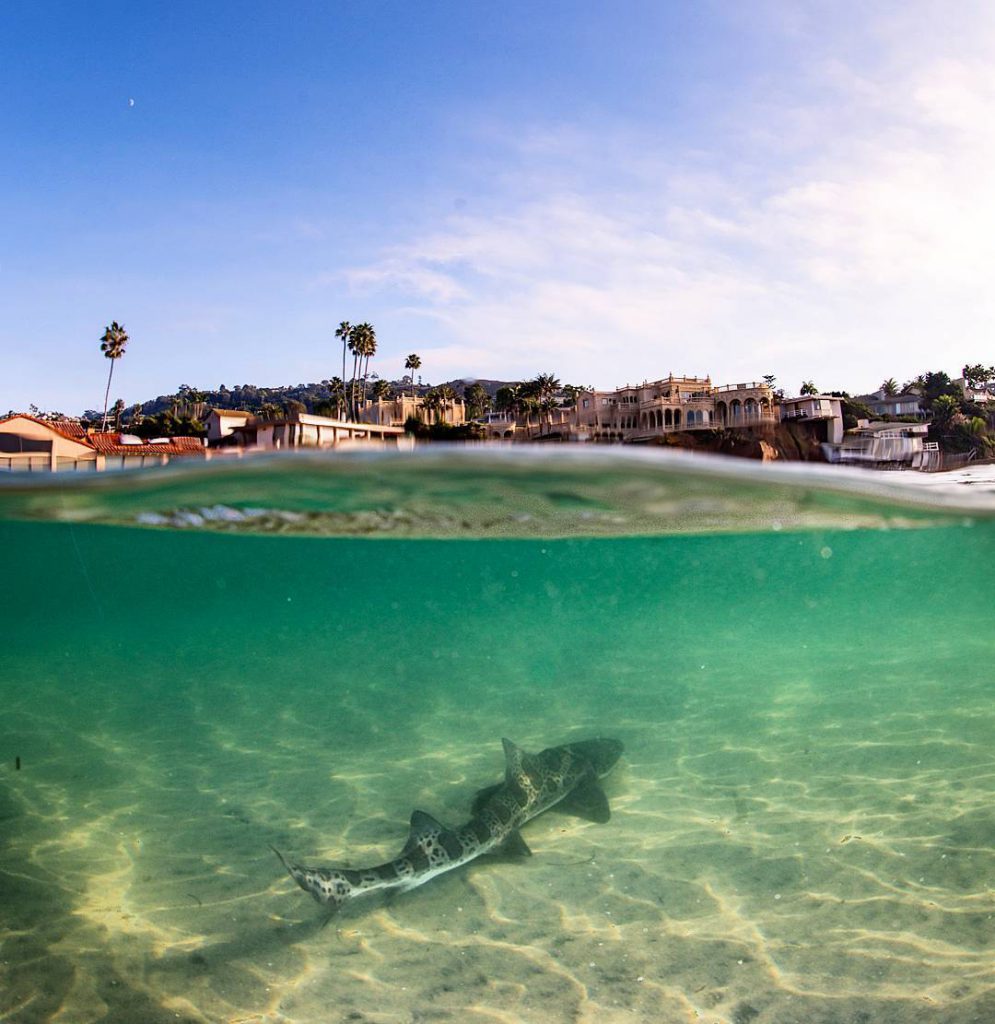
La Jolla Shores holds the distinction of being one of the few beaches in San Diego County where you can snorkel directly from shore into a state-protected marine reserve without a boat or guide. The San Diego-La Jolla Underwater Park spans 6,000 acres of ocean floor, and the Shores entry point delivers you straight into its kelp-forest shallows within a three-minute swim. The underwater terrain here differs sharply from the rocky walls of nearby La Jolla Cove. Shores snorkeling unfolds over sand channels and boulder gardens, with visibility swinging between 10 and 30 feet depending on swell, season, and time of day. Leopard sharks gather in the shallows from June through September, often in water shallow enough to stand. Garibaldi, California's official state marine fish, patrol the kelp holdfasts year-round. Rays glide over the sand flats, and in winter months, migrating gray whales pass within binocular range offshore. The reserve's no-take status, in place since 1971, has rebuilt fish populations to levels rarely seen along developed coastline. Autumn through early spring delivers the calmest ocean conditions, with offshore winds flattening the surface and pushing visibility past 20 feet on better days. Summer brings warmer water—65 to 70°F versus the winter low of 57°F—but also increased turbidity from plankton blooms and south swells. Wetsuit thickness matters: a 5mm suit handles winter immersion; 3mm suffices in summer. The beach has outdoor showers, restrooms, and a large parking lot that fills by mid-morning on weekends. Lifeguards staff the beach year-round and post daily ocean-condition boards at the tower. Entry and exit happen over soft sand with no sharp rock scrambles, making this one of the region's gentler snorkel sites for swimmers of mixed experience. The ecological reserve's boundaries extend from the surf line out to depths beyond recreational snorkeling range, so every swim occurs within protected water. No fishing, no shell collecting, and no harassment of wildlife—those rules carry county enforcement and fines starting at $500. The reserve works because it's respected, and first-time snorkelers here inherit that ethic along with the visibility.
“The San Diego-La Jolla Underwater Park has rebuilt fish populations to levels rarely seen along developed coastline, a direct result of its no-take status since 1971.”
The best arrival window is 09:00–10:00. This morning period provides the best water visibility and helps avoid midday winds and peak crowds.
70°F to 75°F water
Warmest water temperatures occur from August through October.
58°F to 62°F water
Water is colder and visibility can be lower due to runoff.
—
Fewer visitors provide more space in the water and easier parking.
Verdict: The best time for snorkeling is weekday mornings between 09:00 and 10:00 during the months of August through October.
La Jolla Cove is open to the public daily throughout the week. Visitors may access the area during the following operational hours.
Access to La Jolla Shores and La Jolla Cove for snorkeling is public and does not require an entry ticket. There are no official admission fees for visitors to access the beach or water.
Verdict: A typical adult pays 0 USD for entrance, as access to the beach is entirely free.
La Jolla Cove is located at 1100 Coast Blvd, La Jolla, CA 92037. The most direct approach is by car via Interstate 5, exiting toward La Jolla Village Drive or Ardath Road.
I-5 to La Jolla Village Drive
MTS Route 30 to La Jolla Blvd & Genter St
Walk from downtown La Jolla village
Parking near the Cove is limited, so arriving between 09:00–10:00 is recommended to secure a spot and enjoy optimal water visibility.
La Jolla Shores sits within the San Diego-La Jolla Underwater Park Ecological Reserve, a protected marine area where all wildlife and natural features are legally safeguarded. Respecting no-take rules and wildlife boundaries keeps the ecosystem intact for future visitors.
Bring the right gear to stay safe and comfortable in the water.
Everything you need to know about snorkeling in la jolla shores
The waters at the Cove are generally calm and protected, making snorkeling in la jolla shores a popular activity for beginners. Always check local lifeguard reports for current water conditions before entering the ocean.
For your outing, bring a well-fitting mask, snorkel, and fins, along with a wetsuit to stay warm in the Pacific temperatures. Many visitors also bring a waterproof camera to document the vibrant marine ecosystem found during snorkeling in la jolla shores.
There is no cost for public beach access or ocean entry, as the entrance fee is 0 USD. You are free to explore the waters independently at your own pace.
The best arrival window is 09:00–10:00, which provides the best water visibility and helps avoid midday winds and peak crowds. Planning your snorkeling in la jolla shores during this time ensures a more peaceful experience.
Yes, the area is part of a protected underwater park where you can frequently spot bright orange Garibaldi, leopard sharks, and sea lions. These animals thrive in the kelp forests and rocky reefs accessible when snorkeling in la jolla shores.
While booking a guided underwater tour is not required, it can provide valuable safety information and insights into the local habitat. Expert guides can help you navigate the tide pools and identify species you might otherwise miss.
Swimmers must respect the Marine Protected Area guidelines by not touching, feeding, or disturbing the local wildlife. Ensure you stay within the designated safe swimming zones as marked by the local lifeguard stations.